 |
RÉSULTATS
1/1 |
Ma recherche
Titre : In a Jar |
 |
|
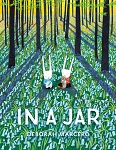
Picture bookIn a JarMarcero, DeborahA 1 Indie Bestseller A Kirkus Reviews Best Book of the Year A BookPage Best Book of the YearG.P. Putnam's Sons Books for Young Readers (Penguin Random House),©2019.40 p. Première parution 2020. ISBN 9780525514596, LO 55840, J. |
 |
|
||||||||||||||||||||||||||||||||||||||||
|
|||||||||||||||||||||||||||||||||||||||||||
Pistes pédagogiques
Learning Intention Students will learn to associate memories and feelings with physical objects. They will also work on describing objects or events orally. Links to the Program of Study – English as a Second Language – Elementary Cycle 1, C1: / Cycle 2, C2: To reinvest understanding of oral and written texts o Cycle 1, C1: Supported by the teacher and appropriate visual aids, students verbally identify familiar key elements and main events of texts (p. 11, PFEQ: Elementary Cycle 1). o Cycle 2, C2: Using functional language and words drawn from texts, they identify and briefly describe certain key elements and demonstrate understanding of the overall meaning (p. 357, PFEQ). Cycle 1, C2: To communicate orally in English / Cycle 2, C1: To interact orally in English o Cycle 1, C2: Reflects on demonstration of understanding, takes risks, initiates messages, combines words and short expressions o Cycle 2, C1: Students use the functional language they have acquired in order to participate in exchanges with peers and the teacher (reacting to messages, initiating messages, maintaining interaction) (p. 355, PFEQ). Context (Before Reading) 1. Discuss some examples of collections with students and write the ideas on the board. Explain that we will be learning about a rabbit named Llewellyn who loves to collect things. Procedure (During Reading) 2. While reading the text, stop occasionally to elicit responses from the students about what they see in the jars that Llewellyn collects. Integration (After Reading) 3. For Cycle 1, ask the students to reflect on the kinds of things they would like to collect in jars. Have students look at pages 19 and 20 which show all of the jars Llewellyn and Evelyn have collected. Discuss what kinds of things Llewellyn collects. Prepare an activity sheet with the template of a jar and ask the students to fill it with their ideas. 4. Collect the jars and place the sheets in a large basket. The students pick a jar and try to describe what they see with the vocabulary that they heard from steps 1 to 3 and previously acquired knowledge. (colours, numbers, food). 5. For Cycle 2, ask the students to reflect on the kinds of things they would like to collect in jars. Show pages 19 and 20 that present all of the jars Llewellyn and Evelyn have collected. Discuss what kinds of things Llewellyn collects. Ask the students to draw their own collection of four jars or more. 6. Students take their drawings and cut out the jars separately. In teams of three to four students, they discuss which jar they would give their teammates and explain why. This could be done a second or third time with different classmates. Links, Resources, References Copibec: https://www.copibec.ca/en/agreement-elementary-highschool Pedagogical application created in collaboration with Centre de Services Scolaire Marie-Victorin |
|||||||||||||||||||||||||||||||||||||||||||


|
https://constellations.education.gouv.qc.ca |
 © Gouvernement du Québec |